
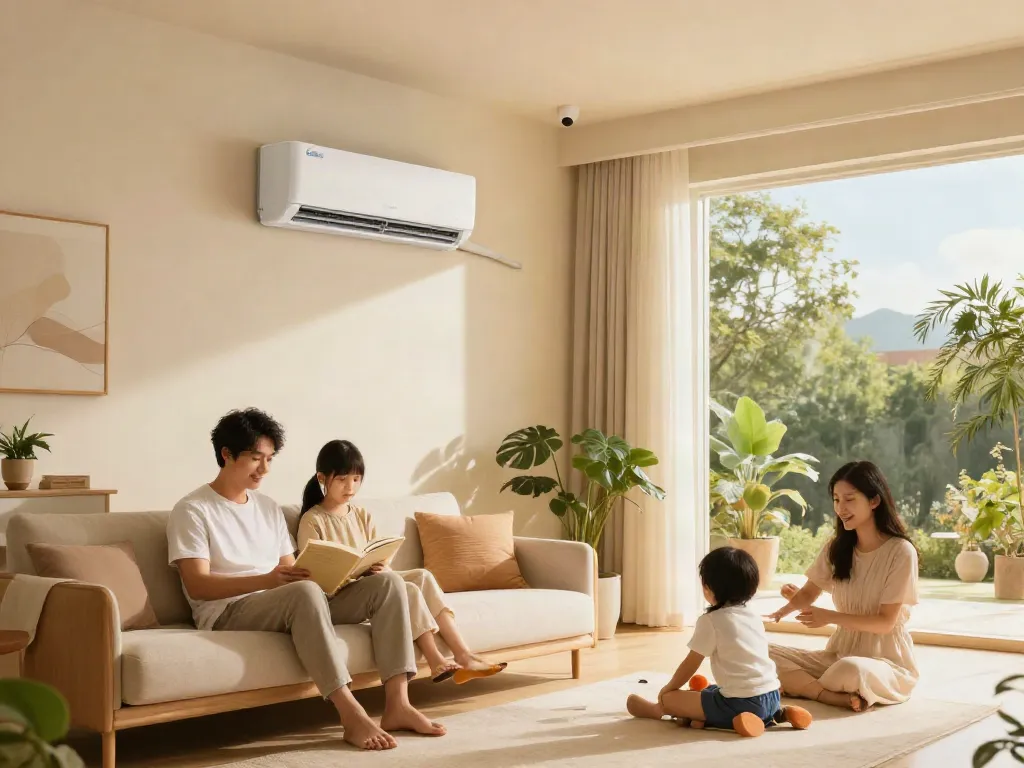
Understanding the Basics of 12000 BTU Mini Split Systems
The 12000 BTU mini split systems have emerged as a preferred choice for homeowners seeking efficient and versatile cooling solutions. These systems provide significant flexibility in both residential and commercial settings, enabling precise temperature control tailored to specific needs. As the popularity of mini splits grows, it's essential to understand their fundamental characteristics and advantages. When exploring options, 12000 btu mini split units are among the top choices for efficiency and comfort.
What is a 12000 BTU Mini Split Air Conditioner?
A 12000 BTU mini split air conditioner is a ductless system characterized by its ability to heat and cool spaces without requiring extensive ductwork. The term "BTU" stands for British Thermal Unit, a measurement of energy needed to cool or heat a room effectively. With a 12000 BTU rating, these systems are ideal for medium-sized rooms, typically between 400 and 750 square feet, making them a versatile choice for living rooms, bedrooms, and office spaces.
Key Features and Benefits of Mini Splits
- Energy Efficiency: Mini splits typically offer higher SEER ratings, resulting in substantial savings on energy bills.
- Flexible Installation: They can be mounted on walls, ceilings, or even floors, providing options that suit the aesthetics and layout of your space.
- Individual Climate Control: Each indoor unit can be controlled separately, allowing users to adjust temperatures according to personal preferences and reduce energy consumption when rooms are unoccupied.
- Heating Capabilities: Many models come with heat pump functionality, making them effective for year-round use.
How Mini Splits Compare to Traditional AC Systems
Unlike traditional central air conditioning systems, which rely on bulky ductwork, mini splits offer a more streamlined approach to cooling. Ductless systems minimize energy loss associated with duct leaks, making them far more efficient overall. Additionally, mini splits do not require extensive renovations or space for duct installation, making them ideal for older homes or apartment settings.
Common Misconceptions Surrounding Mini Split Installations
Debunking Myths About Efficiency and Performance
One prevalent myth is that mini splits are not efficient in extreme temperatures. In reality, modern 12000 BTU mini split systems are designed to perform optimally even in conditions ranging from hot summers to cold winters, thanks to advanced inverter technology. This allows the unit to adjust its output to match the current temperature demands, rather than simply turning on and off, maximizing energy savings.
Installation Challenges and Solutions
While installing mini splits may seem straightforward, there are challenges to consider. Proper placement of indoor and outdoor units is crucial for optimal performance. Additionally, ensuring proper insulation and sealing can prevent energy loss and improve efficiency. Homeowners should consider hiring certified technicians to comply with local codes and achieve the best results from their systems.
Cost Considerations for Homeowners
Initial installation costs for mini splits can be higher than traditional systems. However, the long-term energy savings and reduced maintenance costs typically offset this initial investment. Moreover, many utility companies offer rebates for energy-efficient installations, making mini splits a financially viable option.
Choosing the Right Mini Split for Your Space
Evaluating Room Size and BTU Requirements
When selecting a mini split system, determining the appropriate BTU rating is essential. The size of the room, insulation quality, and local climate all play significant roles in ensuring the unit operates efficiently. For instance, a 12000 BTU mini split is suitable for areas around 400 to 550 square feet, ideal for bedrooms or small living rooms.
Factors to Consider When Selecting a Model
- Energy Efficiency Ratings: Look for models with high SEER ratings, which indicate better energy efficiency.
- Noise Levels: Consider the noise output of both the indoor and outdoor units, especially for bedrooms or quiet spaces.
- Warranty and Reliability: Evaluate the manufacturer's warranty and customer reviews to gauge long-term reliability.
Understanding SEER Ratings and Energy Efficiency
Seasonal Energy Efficiency Ratio (SEER) is a critical metric when choosing an air conditioner. Higher SEER ratings indicate better energy efficiency, which translates to lower energy costs. A mini split with a SEER rating of 20 or more is considered highly efficient, making it a worthwhile investment for energy-conscious homeowners.
Installation and Maintenance of 12000 BTU Mini Splits
Step-by-Step Installation Process
The installation of a mini split typically involves the following steps:
- Choose the optimal location for both indoor and outdoor units.
- Install the mounting bracket for the indoor unit.
- Connect the refrigerant lines, electrical lines, and condensate drain.
- Mount the indoor unit and secure it in place.
- Install the outdoor unit, ensuring proper ventilation.
- Connect the two units and test for functionality.
Maintenance Tips for Optimal Performance
To keep your mini split system running efficiently, regular maintenance is essential. This includes:
- Cleaning or replacing the air filters every 1-3 months.
- Checking and cleaning the outdoor unit to ensure unrestricted airflow.
- Scheduling annual professional maintenance checks to assess refrigerant levels and system performance.
Common Issues and Troubleshooting Advice
Common challenges users may face with mini splits include inconsistent cooling, strange noises, and water pooling. Each issue can often be traced back to filters that need cleaning, improper installation, or low refrigerant levels. Homeowners should consult with a professional to address persistent issues and avoid further damage.
Future Trends in Mini Split Technology for 2026 and Beyond
Emerging Features and Innovations in Mini Split Systems
The mini split industry is evolving rapidly, with innovations such as improved inverter technology and enhanced filtration systems becoming increasingly common. These advancements allow for more efficient cooling and heating, as well as improved indoor air quality.
Smart Technology Integration in Home Cooling
Smart technology is also making waves in the mini split market. Many systems now offer Wi-Fi connectivity, allowing users to control their units remotely through apps. This feature not only enhances convenience but also aids in energy management by allowing users to adjust settings from anywhere.
Environmental Impact and Energy Savings in Modern Units
As eco-conscious practices become more critical, modern mini splits are designed with sustainability in mind. Many models utilize refrigerants with low global warming potential and energy-efficient components to minimize environmental impact. This trend reflects a shift towards greener, more sustainable cooling options without sacrificing performance.
What is the ideal size room for a 12000 BTU mini split?
A 12000 BTU mini split is typically suitable for medium-sized rooms between 400-750 square feet, making it ideal for spaces like small living rooms and bedrooms.
How does installation affect the performance of a mini split?
Proper installation greatly influences the performance of a mini split. Incorrect placement or connection issues can lead to inefficiencies and system failures, underscoring the importance of professional installation.
What is the typical lifespan of a 12000 BTU mini split system?
With proper maintenance, a 12000 BTU mini split system can last anywhere from 12 to 20 years, making them a long-term investment in home comfort.
Are mini splits suitable for all climates?
Modern mini splits are designed to perform effectively in a variety of climates, but extreme temperatures may affect efficiency. Choosing a model with a high heating capacity is crucial for colder regions.
How do I know if a mini split is right for my home?
Consider factors such as room size, insulation, local climate, and specific heating and cooling needs when determining if a mini split is the right choice for your home.