

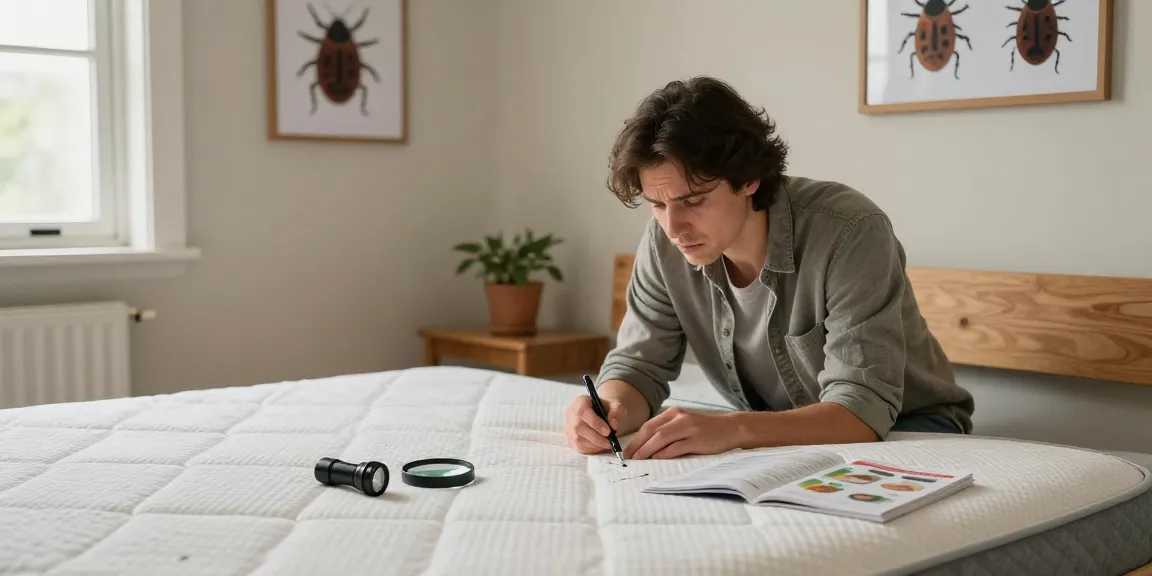
Understanding Bed Bug Pest Control: The Basics
Bed bugs have become a pressing issue for many homeowners and renters alike, creating anxiety and discomfort across various households. These tiny, elusive pests thrive in environments where humans sleep, and their bites can lead to itchy welts and disturbed sleep patterns. Understanding the fundamentals of bed bug pest control is vital for effective management and eradication. This comprehensive guide examines the nature of bed bugs, their lifecycle, and the critical need for early detection, setting the stage for effective pest control strategies.
What Are Bed Bugs and Why Are They a Problem?
Bed bugs, scientifically known as Cimex lectularius, are small, wingless insects that feed on the blood of humans and animals. They are notorious for their ability to reproduce quickly and are often difficult to detect due to their nocturnal habits. Bed bugs have a flat, oval shape and a reddish-brown color, making them blend into their environment easily.
These pests pose significant problems for several reasons:
- Health Risks: While bed bugs are not known to transmit diseases, their bites can cause severe itching, allergic reactions, and secondary skin infections.
- Emotional Distress: The presence of bed bugs can lead to significant anxiety and embarrassment, affecting one’s quality of life.
- Resilience: Bed bugs are known for their resilience and ability to survive long periods without feeding, making infestations challenging to eradicate.
The Life Cycle of a Bed Bug
Understanding the life cycle of a bed bug is essential in implementing effective pest control measures. Bed bugs undergo five nymphal stages before reaching adulthood, with each stage requiring at least one blood meal to progress. The entire cycle from egg to adult can take as little as five weeks, under optimal conditions. Each female bed bug can lay up to 500 eggs in her lifetime, exacerbating the problem if not detected early.
The Importance of Early Detection
Early detection is crucial in managing bed bug infestations effectively. Signs to look for include:
- Itchy Bites: Often, individuals notice small, itchy red welts on their skin.
- Blood Stains: Small blood stains on linens or mattresses often indicate that bed bugs have been feeding.
- Dark Spots: Excrement left behind by bed bugs appears as small, dark spots on bedding or furniture.
Regular inspections and vigilance are key in preventing infestations from worsening.
Common Challenges in Bed Bug Pest Control
Despite the availability of treatment options, various challenges can complicate bed bug pest control efforts. Understanding these challenges can help in devising better strategies to combat these pests.
Misconceptions About Bed Bug Infestations
Many myths surround bed bugs and their infestations. A common misconception is that bed bugs only reside in dirty homes, while they can invade any setting where people gather—hotels, public transport, and even well-maintained residences. Additionally, some believe that the presence of bed bugs signifies poor hygiene, which is simply not true.
Environmental Concerns: Chemical vs. Natural Treatments
While chemical treatments can be effective, many individuals express concern over their safety and environmental impact. Research suggests that some natural alternatives can be just as effective. It’s essential to assess the effectiveness of various treatments while considering health and environmental ramifications.
Why DIY Solutions Often Fail
Many people attempt to manage bed bug infestations with DIY methods, such as using home remedies or over-the-counter products. Unfortunately, these methods often lack the efficacy needed to eliminate an established infestation. Bed bugs can hide in hard-to-reach places, making comprehensive treatment crucial.
Effective Bed Bug Treatment Options Available
When facing a bed bug infestation, knowing the available treatment options can significantly influence the outcome of pest control efforts. It’s essential to choose a method based on the severity of the infestation and personal preference.
Overview of Chemical Spray Treatments
Chemical sprays are one of the most commonly used methods for bed bug extermination. They provide a residual barrier that can last for up to 120 days, making them suitable for long-term protection against re-infestation. Professional pest control services use commercial-grade insecticides that are generally more effective than DIY solutions. However, proper preparation is necessary to maximize effectiveness.
Benefits of Heat Treatments
Heat treatment has gained popularity due to its effectiveness and eco-friendliness. This method involves raising the temperature in the infested area to a level that kills all life stages of bed bugs, including eggs. Advantages include:
- Efficiency: Heat treatments can eliminate bed bugs in a single session.
- Environmental Safety: It uses no harmful chemicals, making it a safer choice for families and pets.
- Less Preparation: Compared to chemical treatments, heat treatment requires less prep work.
Combination Treatments for Maximum Efficiency
Implementing a combination of treatments—such as using both chemical sprays and heat—can enhance the overall effectiveness of pest control. This dual approach can address different aspects of bed bug infestations, leading to higher success rates.
Choosing the Right Pest Control Service
Finding a reliable pest control service can significantly impact your bed bug eradication efforts. It’s essential to choose wisely to ensure effective treatment and peace of mind.
Questions to Ask Before Hiring an Exterminator
Before committing to a pest control service, consider asking the following questions:
- What methods do you use for bed bug extermination?
- How do you ensure safety for my family and pets?
- What does your follow-up process look like after treatment?
Identifying Licensed and Qualified Professionals
It’s critical to hire licensed professionals with proven track records in bed bug control. Check online reviews, obtain references, and verify certifications to ensure you choose a reputable exterminator.
Evaluating Customer Reviews and Testimonials
Customer experiences can provide insights into the effectiveness of a pest control service. Look for testimonials emphasizing successful bed bug treatments and high levels of customer satisfaction.
Future Trends in Bed Bug Pest Control
As we move towards 2026, the pest control industry is adapting to new challenges and technologies in fighting bed bugs. Keeping an eye on these trends can help consumers make informed decisions.
Emerging Technologies in Bed Bug Detection
Advancements in pest detection technology, such as the use of K9 inspection teams and digital monitoring solutions, are revolutionizing the way bed bug infestations are identified and managed. These methods significantly enhance the chances of early detection, reducing the need for extensive treatments later on.
Shifts Towards Eco-Friendly Solutions in 2026
Increasing awareness about health and environmental issues has prompted a shift toward more eco-friendly pest control solutions. The industry is likely to see a rise in chemical-free options, including heat and steam treatments.
Predicting the Evolution of Pest Control Strategies
As bed bugs continue to evolve and adapt, pest control strategies will also need to evolve. Combining traditional methods with new technologies will be key to effectively managing and eradicating bed bug infestations.
What should I do if I suspect a bed bug infestation?
If you suspect a bed bug infestation, the first step is to inspect your home thoroughly. Pay close attention to seams of mattresses, furniture, and other hiding spots. If you find indications of a bed bug presence, contact a professional pest control service immediately.
How can I prepare for a professional pest control treatment?
To ensure the effectiveness of treatment, you may need to prepare your space by laundering bedding, clearing clutter, and vacuuming affected areas. Follow the specific guidelines provided by your pest control service for optimal results.
What are the costs associated with bed bug pest control?
The costs of bed bug pest control can vary based on several factors, including the severity of the infestation and the methods used. It’s advisable to obtain quotes from multiple exterminators and weigh the value of their services against the prices.
How long does it take to effectively eliminate bed bugs?
The duration for complete eradication of bed bugs can vary based on the treatment method and severity of the infestation. While some treatments can yield immediate results, complete eradication may require follow-up inspections and additional treatments over weeks to months.
Can bed bugs carry diseases?
Currently, there is no evidence to suggest that bed bugs transmit diseases to humans. However, their bites can lead to discomfort, allergic reactions, and secondary infections, highlighting the importance of controlling infestations effectively.
