

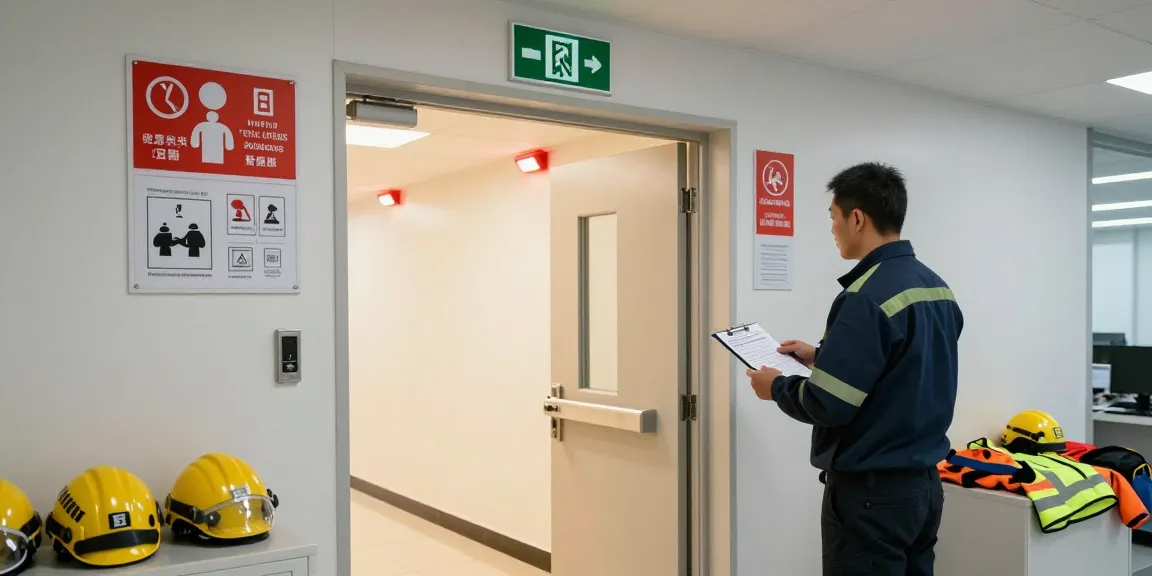
Understanding the Importance of Exit Doors in Commercial Environments
In any commercial building, the safety of occupants is of utmost importance, and a critical component of that safety is the presence of properly functioning exit doors. Exit doors are not mere afterthoughts; they are essential structures designed to provide a safe escape route during emergencies such as fires, natural disasters, or other urgent situations. When exploring options, exit door systems should meet strict safety standards to ensure the well-being of all building occupants.
Why Every Business Needs Quality Exit Doors?
Quality exit doors serve multiple purposes beyond just being an egress point. They ensure compliance with safety regulations, enhance building security, and improve overall access management. For commercial environments, having durable and reliable exit doors can significantly reduce liability risks and ensure rapid evacuation during emergencies. Additionally, well-designed exit doors can also contribute to a positive building experience by facilitating smooth traffic flow and access.
Key Features to Look for in Exit Doors
When selecting exit doors for commercial properties, there are several vital features to consider:
- Durability: They should withstand heavy usage and various environmental conditions.
- Accessibility: Compliance with the Americans with Disabilities Act (ADA) is essential for ensuring accessibility for all individuals.
- Emergency Exit Hardware: Utilizing panic bars or touchpad systems can facilitate quick and easy exits.
- Material: Steel and fiberglass are excellent choices due to their strength and resistance to damage.
- Fire Rating: For buildings where fire safety is a concern, ensure that exit doors have appropriate fire ratings.
Common Compliance Issues with Exit Doors
Compliance with local and national safety codes is crucial for all commercial buildings. Many businesses fail to realize that exit doors must not only be functional but also adhere to guidelines established by organizations such as the National Fire Protection Association (NFPA) and OSHA. Common compliance issues include:
- Incorrect installation that doesn’t permit full opening or closing.
- Using inappropriate materials that don’t meet fire safety requirements.
- Failing to maintain clear and accessible egress routes.
Types of Exit Doors Suitable for Different Commercial Spaces
Comparing Fire Exit Doors and Standard Exit Doors
Fire exit doors are specifically designed to provide a safe escape route in the event of a fire. They are typically constructed from fire-rated materials that can withstand high temperatures and prevent flames from spreading. Standard exit doors, while also crucial for egress, may not offer the same level of fire protection. Understanding the differences can help building managers make informed choices that prioritize safety.
Innovative Panic Bar Features for Enhanced Safety
Panic bars are essential features of exit doors that allow occupants to exit quickly and safely during emergencies. Recent innovations in panic bar technology include:
- Touchless Activation: These systems allow for hands-free operation, minimizing the risk of cross-contamination in hygiene-sensitive environments.
- Integrated Alarms: New models can trigger alarms if doors are opened without authorization, enhancing building security.
Durability Considerations for High-Traffic Areas
In high-traffic commercial spaces such as shopping malls or office buildings, exit doors must be especially durable. Options such as reinforced steel doors and advanced closing mechanisms can minimize wear and tear, ensuring long-lasting performance. Regular maintenance checks are also essential to prevent issues that could impede safe egress.
Installation Best Practices for Exit Doors
Step-by-Step Guide to Installing Exit Doors
The installation of exit doors is a task that should be approached methodically to ensure safety and compliance. A typical installation process may include the following steps:
- Measure the door frame and choose an appropriately sized exit door.
- Prepare the installation site, ensuring that the area is clean and accessible.
- Secure the door frame within the wall structure, ensuring it is level and plumb.
- Install the door hardware, including hinges, locks, and panic bars, following the manufacturer’s instructions.
- Test the door operation to ensure it opens, closes, and latches correctly.
Ensuring Compliance with Local Regulations
Before commencing installation, familiarize yourself with local building codes and safety regulations that apply to exit doors. These regulations can vary significantly by state or municipality, so consulting with a local building inspector or safety expert can help avoid costly mistakes.
Common Mistakes to Avoid During Installation
While installing exit doors may seem straightforward, several common mistakes can compromise safety. These include:
- Overlooking the importance of proper alignment and installation.
- Failing to incorporate the necessary safety features.
- Ignoring local building codes and regulations.
Maintaining Exit Doors for Long-Term Safety
Regular Inspection Protocols for Exit Doors
To ensure that exit doors function correctly, implement a regular inspection protocol. This should involve checking hardware, verifying proper closure, and ensuring that exit routes remain unobstructed. Consider scheduling inspections at least twice a year, with more frequent checks in high-traffic areas.
Repair vs. Replacement: When to Act?
Understanding when to repair or replace an exit door is crucial for maintaining safety standards. Signs that a door may need replacing include:
- Severe structural damage or warping.
- Frequent malfunctioning of hardware.
- Failure to meet current safety regulations.
Innovative Maintenance Solutions for Exit Doors
Advancements in technology have introduced innovative maintenance solutions such as:
- Smart Monitoring Systems: These systems can track door usage and alert building management to potential issues.
- Automated Alerts: Regular notifications regarding inspection schedules and maintenance needs can help ensure compliance and safety.
Future Trends in Exit Door Technology
Smart Exit Doors: What’s Coming in 2026?
As technology continues to advance, we can expect to see more smart exit doors that integrate with building management systems. Features may include biometric access, remote monitoring, and advanced safety systems that improve response times during emergencies.
Impact of Green Building Standards on Exit Door Design
As sustainability becomes increasingly important, exit doors are also being designed with green building standards in mind. This includes using sustainable materials and energy-efficient designs that contribute to a building’s overall environmental footprint.
Predicted Changes in Building Codes and Safety Regulations
With the ever-evolving landscape of safety regulations, it is crucial for building managers to stay informed about predicted changes. Enhanced requirements for egress routes and the implementation of new safety technologies are likely to shape the future of exit door design and installation.
What is the standard width for exit doors?
The standard width for exit doors typically measures 36 inches to accommodate a safe and efficient flow of people during an emergency.
How often should exit doors be inspected?
It is advisable to inspect exit doors at least twice a year, or more frequently in high-traffic environments to ensure they are functioning correctly and meeting safety standards.
What are the common materials used in exit door construction?
Common materials for exit doors include steel, fiberglass, and aluminum, each offering different benefits in terms of durability and fire resistance.
Are exit doors required to have panic bars?
Many building codes require exit doors to be equipped with panic bars or similar hardware to ensure quick and easy egress during emergencies.
What distinguishes fire exit doors from regular exit doors?
Fire exit doors are constructed from fire-rated materials and are designed to withstand higher temperatures, offering enhanced safety during fire emergencies compared to standard exit doors.
